Yearly Maintenance Planner for Dallas Rental Homes: A Season‑by‑Season Owner Checklist
Owning a rental in Dallas, Texas means dealing with a climate that consistently puts stress on your property. Long stretches of extreme heat, severe spring storms, and occasional winter freezes all create different types of wear throughout the year. If you’re not proactive about addressing that wear, it can add up, leading to bigger problems.
Dallas also has a wide range of housing stock. Some properties have aging plumbing and electrical systems, while others sit on slab foundations that shift with the soil, and newer builds sometimes rely on lower-grade materials that wear faster than expected. Each requires a different type of maintenance.
The difference between a property that runs smoothly and one that constantly needs repairs usually comes down to whether you’re following a consistent Dallas rental property maintenance checklist. This guide offers a season-by-season Dallas rental maintenance schedule so you can reduce emergencies, control costs, and keep your property in a condition tenants want to stay in.
Why Dallas Rentals Need a Seasonal Maintenance Plan
Most landlords don’t set out to manage their properties reactively. It usually happens when there isn’t a plan in place. Something breaks, it gets fixed, and before long you’re dealing with the same issues all over again. Over time, that cycle adds up, leading to higher costs, frustrated tenants, and more frequent turnover. Having a Dallas rental property maintenance checklist can help break that cycle.
The Cost of Reactive vs Preventive Maintenance
Reactive maintenance is one of the biggest hidden profit killers for landlords. Emergency repairs are typically priced higher because of urgency, limited availability, and the need to fix the issue quickly rather than correctly, often costing 30-50% more than scheduled work. HVAC failures range from a few hundred dollars to several thousand depending on the issue, and small problems often turn into larger repairs when they aren’t addressed early on.
When maintenance issues happen repeatedly or take too long to fix, tenants start looking elsewhere. Once a tenant leaves, you are dealing with vacancy, cleaning, repairs, and leasing costs that can easily reach a few thousand dollars. Preventive maintenance for Dallas rentals spreads those costs out and reduces the likelihood of major failures. It also creates a more stable experience for tenants, which directly affects retention.
Dallas Climate and Housing Factors Owners Can’t Ignore
Any seasonal maintenance checklist for Dallas landlords needs to reflect how local conditions affect properties. Dallas summers regularly push past 100°, which means HVAC systems run for extended periods without much downtime. That constant use increases wear and makes failures more likely if the system has not been maintained.
Spring storms bring heavy rain, wind, and hail. Even small vulnerabilities in roofing or drainage can turn into water intrusion during a single storm.
Winter is less consistent, but when freezes happen, they tend to catch people off guard. Pipes that are not insulated or protected can fail quickly, and the damage can spread before it is noticed. The 2021 freeze proved how devastating unprepared pipes can be.
On top of that, North Texas soil expands and contracts with moisture changes. That movement affects slab foundations and can lead to gradual structural shifts. Older homes may also have systems that are already nearing the end of their lifespan. This is why yearly rental house maintenance in Dallas, TX is not just helpful, but necessary to keep everything functioning properly.
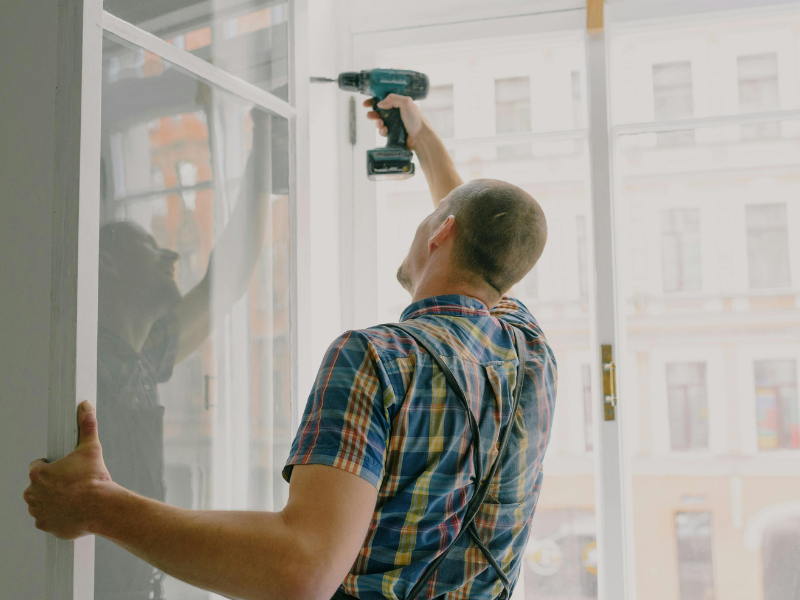
Spring Maintenance Checklist for Dallas Rental Homes
Spring is where your Dallas rental property maintenance checklist can add the most value. This is your opportunity to catch damage early and prevent it from turning into expensive repairs during summer.
Inspect Roof, Gutters, and Exterior After Winter and Storms
Water damage is one of the most expensive and avoidable issues in a rental, especially in a place like Dallas where storms can hit hard and fast. This is one of those areas where a little attention now can save you thousands later, so it’s worth slowing down and checking things thoroughly. Take the time to check:
- Shingles for any signs of damage or loss
- Flashing around vents and roof penetrations
- Gutters and downspouts for clogs or improper drainage
- Fascia and trim for early signs of rot or separation
You don’t necessarily have to climb up on the roof yourself. Even using binoculars from the ground can help you spot missing shingles or problem areas, or you can bring in a professional for a closer inspection.
Gutters are just as important. Dallas spring storms can dump a lot of water in a short time, and when gutters are clogged or not draining properly, that water has nowhere to go. It starts spilling over, working its way into fascia boards, siding, and even the foundation over time.
While you’re outside, check siding, trim, and exterior paint for any gaps or cracks. These small openings are easy to overlook, but they allow moisture and pests to get inside. Recaulk around windows, doors, and utility penetrations anywhere the seal has started to fail.
Exterior and Foundation Walk‑Around
Foundation movement is a known issue in North Texas due to soil expansion and contraction. Walk the full perimeter of the property and pay attention to how water moves around it. During your walk-around, look for:
- Areas where soil has pulled away from the foundation
- Spots where water collects after rain
- Cracks that appear new or are expanding
Inside the property, early warning signs include:
- Doors that stick or do not close properly
- Small cracks near windows or ceilings
- Slightly uneven floors
Early detection of foundation movement is key to preventing more serious structural issues.
Pest Prevention and Landscaping Prep
Warmer spring temperatures bring a spike in pest activity across Dallas, and this is the time to get ahead of it before it turns into something more expensive and harder to control. Key actions to take include:
- Scheduling pest control (termites, ants, roaches)
- Trimming vegetation away from the home (2+ feet clearance)
- Removing debris and refresh mulch
Annual termite inspections are especially important, with treatments typically costing $100 to $250, far less than the cost of repairs from an infestation. Keeping vegetation trimmed back reduces moisture and limits entry points, while clearing debris and refreshing mulch helps keep the foundation area dry and less inviting to pests.
Summer Maintenance Checklist: Beating the Dallas Heat
Summer is where most systems are pushed to their limits. This is where a consistent Dallas rental maintenance schedule has the biggest impact, not only on your property, but on tenant satisfaction.
HVAC System Tune‑Ups and Filter Protocols
Cooling systems run constantly during Dallas summers, and without regular maintenance, they become less efficient and more likely to fail. Most AC systems start to lose efficiency after about 10 years, especially if repairs are becoming more frequent or energy bills are climbing.
Before the heat reaches its peak in June, you should:
- Schedule a professional HVAC inspection and tune-up
- Replace filters monthly during heavy use
- Pay attention to uneven cooling or rooms that feel hotter than others
A thorough service should cover refrigerant levels, coil cleaning, electrical connections, and early warning signs like a failing capacitor or worn contactor before they lead to a full breakdown in extreme heat.
Setting a consistent filter-change routine also makes a difference. Many landlords provide filters and send monthly reminders during summer since clogged filters increase energy costs and wear down the system faster. If tenants mention comfort issues, it’s often an early sign something isn’t working as it should.
Irrigation, Sprinklers, and Outdoor Systems
Irrigation and outdoor water systems often get overlooked during Dallas summers, so be sure to check:
- Sprinkler systems for leaks and proper coverage
- Outdoor faucets and hoses
- Drainage patterns around the property
Run each irrigation zone to look for broken heads, leaks, or areas that aren’t getting enough water. Adjust spray patterns so you’re not watering sidewalks or driveways, which wastes water and leaves parts of the lawn struggling.
Test outdoor faucets for leaks and make sure hoses are in good condition. If the property has a pool or spa, take time to confirm the equipment is working properly and that all safety features are in place.
Heat-Related Safety and Comfort Checks
Tenant comfort plays a bigger role in retention than many landlords expect, especially during Dallas summers when small issues can make a property feel much hotter. Keeping systems running efficiently during this time is a key part of any seasonal maintenance checklist for Dallas landlords. Focus on:
- Ceiling fans and airflow
- Window seals and insulation
- Blinds or curtains that reduce heat gain
Make sure fans are working and spinning correctly, check window seals for gaps, and keep blinds or curtains in good condition to manage heat. Clear communication also helps. Set expectations around HVAC issues, what counts as an emergency, and how to submit maintenance requests so problems don’t go on longer than they should.
Fall Maintenance Checklist: Get Ready for Storms and Cool Weather
Fall is a transition period. It is your chance to clean up from summer and prepare the property before temperatures drop.
Clean Gutters and Manage Leaves
Dallas has a lot of mature trees, and by fall, gutters fill up fast. If they are not cleared, water backs up and ends up around the foundation instead of moving away from the house. Make sure to:
- Clean gutters and downspouts thoroughly
- Confirm water is draining away from the foundation
- Remove leaves from around the home, walkways, and HVAC units
Leaves that sit against the property hold moisture, which can lead to rot, mildew, and pest activity. Keeping this area clear also helps your drainage system work the way it should. If you find yourself dealing with constant buildup, gutter guards can help reduce how often you need to clean them.
Weatherproofing and Energy Efficiency
This is where a Dallas rental property maintenance checklist can really start to pay off. Small gaps and worn seals can drive up energy costs once temperatures drop, so make sure to focus on:
- Replacing worn weatherstripping around doors and windows
- Adding door sweeps where gaps are visible
- Caulking cracks around windows, siding joints, and utility penetrations
If the property has attic access, check insulation levels and make sure coverage is even. Proper insulation improves efficiency and keeps heating costs more predictable.
Heating System Readiness
Heating systems often go unused for most of the year, so issues don’t show up until you actually need them. Before the first cold front:
- Turn the system on and let it run for at least 30 minutes
- Listen for unusual noises or smells
- Schedule service if anything seems off
This is also a good time to test all smoke detectors and carbon monoxide detectors and replace batteries, even if they still work. Handling this early avoids emergency calls once temperatures drop and ensures everything is ready when tenants need it.
Winter Maintenance Checklist: Freeze Protection and Peace of Mind
Dallas winters are usually mild, but when freezes hit, they can cause serious damage in a short time. This is where preventive maintenance for Dallas rentals becomes critical.
Freeze-Proofing Pipes and Outdoor Fixtures
Pipes in vulnerable areas are the biggest risk during a freeze. Once they burst, damage spreads fast and becomes expensive to repair.
Identify and protect:
- Pipes in exterior walls, attics, garages, and crawl spaces
- Outdoor faucets and hose connections
Before any freeze event, remind tenants to:
- Disconnect garden hoses
- Cover outdoor faucets
- Let interior faucets drip during extreme cold
A short message ahead of time can prevent thousands in damage.
Safety Checks for Heaters and Fire Risks
Colder weather increases the use of heating equipment, including portable options that can create safety issues if not used properly. Take time to:
- Review lease guidelines around space heaters
- Ensure nothing is stored near furnaces or water heaters
- Check that fire extinguishers are accessible and not expired
Clear expectations and basic checks go a long way in reducing fire risk.
Post-Storm/Freeze Inspections
After major weather events, do a quick inspection, looking for:
- Roof damage or missing shingles
- Fallen branches or exterior issues
- Signs of water intrusion
Inside, check under sinks and around water heaters for any signs of frozen pipe damage. Catching small leaks early prevents larger issues like mold or structural damage.
Year-Round Tasks Every Dallas Landlord Should Schedule
Not every task fits neatly into a season but are still essential to yearly rental house maintenance in Dallas, TX. With the right Dallas property management maintenance services, these responsibilities won’t slip through the cracks because they’ll be handled proactively and consistently all year long.
Regular Interior Walk‑Throughs and Filter Checks
Plan for at least one interior inspection per year, following proper notice requirements. These visits help you catch issues tenants may not report themselves. During walk-throughs:
- Check for leaks under sinks and around plumbing fixtures
- Confirm filters are being changed regularly
- Look for early signs of wear, damage, or lease violations
These small check-ins can help you catch problems that might otherwise go unnoticed.
Plumbing, Appliances, and Safety Devices
Systems inside the home need regular attention to keep everything running smoothly. Make sure to:
- Test GFCI outlets in kitchens and bathrooms
- Run appliances like dishwashers and disposals
- Check refrigerator seals and clean coils annually
- Verify that smoke and carbon monoxide detectors are working
Regularly testing safety devices not only reduces electrical and fire risks, but also prevents larger disruptions later.
Documentation and Maintenance Log
Keeping a record of maintenance helps you stay organized and becomes extremely valuable when making future decisions. Track:
- Dates of repairs and service
- Costs
- Vendors used
- Recurring issues
This helps with budgeting, insurance claims, and deciding when it makes more sense to repair versus replace. It also demonstrates good stewardship if you ever sell the property.
Building a Maintenance Budget for Your Dallas Rental
A strong Dallas rental property maintenance checklist only works if you plan for the costs that come with it. Without a budget, even planned maintenance can feel unpredictable.
Rule-of-Thumb Budgeting vs. Real Costs
Many landlords rely on general rules to estimate maintenance costs, like setting aside 1% of the property value or about 10% of annual rent. Those are useful starting points, but they don’t always reflect what properties in Dallas actually need.
Recent data puts typical maintenance costs closer to $0.90 to $1.30 per square foot each year, depending on the home’s age, size, and overall condition. Older homes or properties with deferred maintenance tend to land on the higher end, while newer homes may fall lower in the short term. What makes the biggest difference is consistency. Following a structured Dallas rental maintenance schedule and prioritizing preventive maintenance for Dallas rentals can reduce emergency repair costs by more than 30%.
In most cases, Dallas landlords can expect to pay $1,200 to $3,000 annually for routine upkeep, with higher costs for older homes, pools, or aging systems. Tracking your actual expenses over 12 to 24 months will give you the most accurate baseline for your property.
Planning for Big-Ticket Repairs
Major systems will need to be replaced at some point, even if you stay on top of maintenance. The difference is whether you see it coming or it catches you off guard.
Most systems follow fairly predictable timelines. HVAC units typically last 10 to 15 years, water heaters around 6 to 12, and roofs anywhere from 15 to 25+ years depending on the material and exposure. Once you know where each system stands, it’s much easier to plan ahead. Keep a close eye on:
- How your HVAC is running
- Whether the water heater is showing signs of wear
- The condition of the roof
- How appliances are holding up day to day
When you plan for replacements in advance, you avoid having to make rushed, expensive decisions. Setting aside a reserve fund of $5,000 to $10,000 per property gives you the flexibility to handle a failure without it turning into a financial scramble.
When to DIY and When to Call a Professional
Balancing cost savings with quality and safety is an important part of managing any property. Not everything requires a contractor, but some jobs should always be handled by a professional.
Tasks Most Owners Can Handle Themselves
There are several routine tasks that most landlords can manage without outside help. These include:
- Replacing HVAC filters
- Basic caulking and sealing
- Light yard cleanup
- Replacing bulbs and detector batteries
These may be among the smaller tasks in your Dallas rental maintenance schedule, but they’re just as important as the bigger ones. Document this work just as you would professional repairs so you remember what you did and when.
High-Risk or Specialized Work to Outsource
Certain repairs carry more risk and should not be handled without proper training. Leave this work to the experts:
- Electrical work
- Gas line repairs
- Roofing
- Structural or foundation issues
- Most HVAC repairs
Poor-quality work can create safety hazards, lead to code violations, and often void warranties. Any short-term savings from doing it yourself are usually outweighed by the risk of injuries or more expensive problems later on.
Building a Reliable Vendor Network in Dallas
Having the right team of vendors makes everything else in your Dallas rental property maintenance checklist easier to manage. When something breaks, you don’t want to be scrambling to find help or comparing quotes during an urgent issue.
Start by creating a short list of trusted vendors for:
- HVAC
- Plumbing
- Electrical
- Landscaping
- Pest control
- General repairs
Work with people who show up on time, communicate well, and stand behind their work. Set expectations around response times, pricing, and emergency procedures. When those relationships are already in place, repairs tend to be completed faster and more consistently.
How Dallas Property Management Maintenance Services Can Take Stress Off Your Plate
Managing a full Dallas rental maintenance schedule takes ongoing time and coordination, and if you’re doing it all alone, it’s easy to fall behind. Dallas property management maintenance services can make all the difference. Companies like Evernest handle everything from scheduling to vendor coordination and tenant communication.
With established vendor relationships, property managers can often secure better pricing, faster turnaround times, and more consistent results. They also work from standardized systems, so nothing is overlooked as the seasons change and your property’s needs shift.
Professional management protects the condition of your property, reduces turnover, and keeps your rental competitive in the Dallas market while giving you back valuable time. If the day-to-day demands of ownership are adding up, it may be worth reaching out to see how Evernest’s Dallas property management team can help. With us, you’ll have the freedom to focus on growing your portfolio while the details are taken care of.